The Solo Retreat: Why Stepping Away from Digital Life Matters More Than Ever
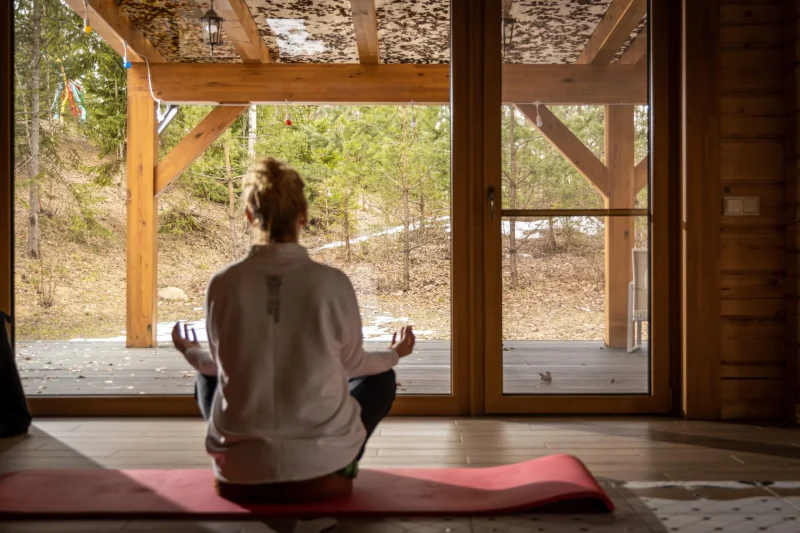
In an age where notifications ping relentlessly and screens demand our attention from dawn until dusk, the concept of a solo retreat has emerged as a vital antidote to the relentless digitalisation of modern life. For Europeans, who increasingly find themselves tethered to laptops, smartphones and endless streams of information, the idea of deliberately withdrawing from the digital world — even briefly — is no longer a luxury but a necessity. A solo retreat, undertaken alone and with the express intention of disconnecting, offers a rare opportunity to rediscover silence, restore mental clarity and reconnect with oneself. This article explores why taking time away from technology has become essential for wellbeing, and how a solo retreat can serve as a powerful reset for body and mind.
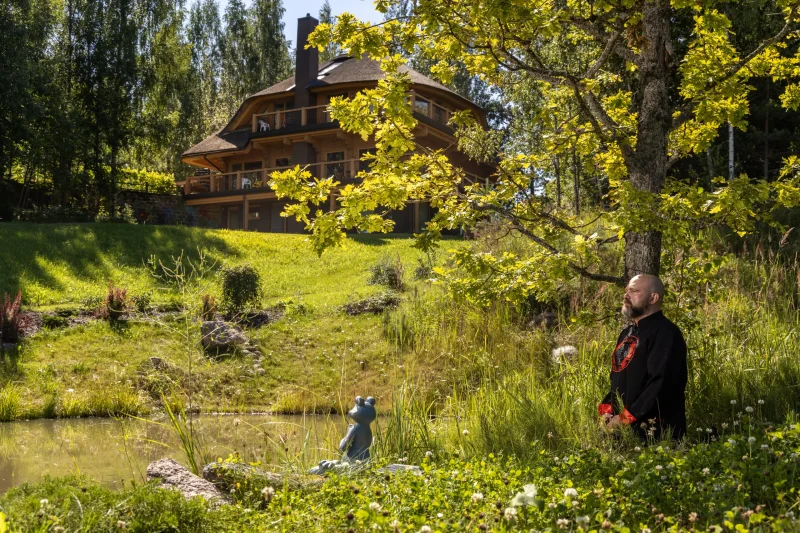
The Quiet Crisis of Constant Connectivity
Europeans today live in one of the most digitally saturated regions on earth. According to various studies, the average adult spends several hours each day glued to screens, often juggling work emails, social media and streaming services simultaneously. While technology has undeniably brought convenience and connection, it has also introduced a subtle but pervasive form of exhaustion. The boundaries between work and rest have blurred; the office now follows us home in our pockets, and the constant hum of digital chatter leaves little room for genuine stillness.
This relentless connectivity takes a measurable toll. Sleep quality suffers, attention spans shorten and stress levels rise. Many people report feeling perpetually ‘on’, unable to switch off even during holidays. We take breaks from work, yet rarely take breaks from our devices. A solo retreat directly addresses this imbalance by creating a deliberate, protected space in which the digital world is switched off entirely.
What Exactly Is a Solo Retreat?
A solo retreat is a period of intentional solitude, typically spent away from home, during which an individual disconnects from digital devices and daily routines to focus on rest, reflection and personal renewal. Unlike a conventional holiday, which often involves sightseeing, socialising or family obligations, a solo retreat is fundamentally inward-facing. It prioritises stillness over stimulation and introspection over entertainment.
Retreats can take many forms. Some people choose a rustic cabin in the mountains, others a quiet coastal cottage or a dedicated meditation centre. What unites these experiences is the commitment to solitude and the absence of digital distraction. The goal is not productivity or self-improvement in the conventional sense, but rather the simple act of being present with oneself.
Why Disconnecting Matters for Europeans
For Europeans in particular, the case for digital detoxification is compelling. The continent’s tradition of work-life balance — embodied in generous annual leave policies and a cultural appreciation for leisure — is increasingly undermined by the encroachment of digital technology into every corner of existence. A solo retreat reclaims that balance.
- Mental clarity: Removing digital noise allows the mind to settle. Many retreat-goers report that after a few days offline, their thoughts become clearer and their capacity for deep focus returns.
- Reduced stress: Constant notifications trigger low-level stress responses. A retreat breaks this cycle, allowing the nervous system to reset.
- Improved sleep: Without screens and artificial light, natural sleep rhythms tend to normalise, leading to deeper, more restorative rest.
- Greater self-awareness: Solitude, without the distraction of devices, invites honest reflection on one’s priorities, relationships and sources of fulfilment.
- Renewed creativity: Boredom, so often avoided through scrolling, is a fertile ground for creative thought. Many people find inspiration returns when the digital clutter disappears.
The Challenges — and Why They Are Worth It
A solo retreat is not effortless. The first day or two offline can feel uncomfortable, even unsettling. The urge to check one’s phone is powerful, and solitude can initially amplify anxiety rather than relieve it. Some people find themselves restless, unsure what to do without the familiar comfort of screens.
These difficulties are part of the process. Learning to sit with discomfort, to tolerate silence and to resist the pull of the digital world builds resilience. Retreat-goers often describe a turning point — usually around the second or third day — when the restlessness gives way to a deep, unfamiliar calm. By the end of the retreat, many feel they have recovered something they had not realised they had lost.
Practical Guidance for Your First Solo Retreat
If the idea appeals, a little preparation goes a long way. A successful solo retreat need not be elaborate or expensive.
- Choose the right location: A quiet, comfortable place with minimal digital infrastructure — perhaps a rural cottage or a retreat centre — reduces temptation.
- Set clear boundaries: Inform colleagues and family in advance that you will be unavailable, and set an out-of-office message.
- Decide on device rules: Many people keep a basic phone for emergencies but disable data and notifications. Others go entirely offline.
- Plan loosely: Bring books, a journal and walking shoes, but resist the urge to over-schedule. The point is to leave space.
- Prepare for discomfort: Expect the first days to be challenging, and treat those feelings as part of the process rather than a sign of failure.
- Ease back gently: Reintroduce technology gradually on your return, and consider which digital habits you might want to change permanently.
A Counterbalance to Modern Life
The digital world is not going away, nor should it. Technology enriches our lives in countless ways. But without deliberate counterbalance, it threatens to consume the very things that make life meaningful: attention, presence and genuine human connection. A solo retreat offers one of the simplest and most effective ways to restore that balance.
For Europeans accustomed to a culture that values rest and reflection, the solo retreat is a natural extension of these principles into the digital age. Choosing the right retreat venue matters: a quiet rural cottage, a coastal hideaway or a dedicated meditation centre can make the difference between a restless break and a genuinely restorative one. It is not an escape from modern life but a way of living it more fully — with greater awareness, less noise and a deeper appreciation for the quiet moments that so often get lost in the scroll. Sometimes, the best way to reconnect with the world is to disconnect from it entirely.
В Брестской области утверждены 102 зоны отдыха на водоемах с правом купания
Комментарии закрыты.